



Traditional Dispute Resolution in Ethiopia
Traditional dispute resolution mechanisms have existed for centuries in Ethiopia, rooted in the cultural and religious fabric of its diverse societies. Systems such as Shimgilinna/Jaarsumma, Afocha, Gerebe, Gudumalee, and religious mediation have long been used to resolve conflicts, maintain peace, and promote reconciliation. These institutions emerged as community-driven justice tools long before the introduction of modern state courts.
However, under previous regimes influenced by a narrow view of modernization, formal justice often neglected and marginalized these indigenous institutions, regarding them as backward rather than complementary.
Findings from the HiiL Justice Needs Assessment in Ethiopia reveal that:
- Over 43% of disputes are addressed through customary or informal mechanisms rather than formal courts.
- People value these mechanisms for being accessible, affordable, and focused on reconciliation.
- Citizens express a strong trust in elders and religious leaders, but also want these systems better aligned with constitutional and human rights standards.
of disputes are addressed through customary or informal mechanisms rather than formal courts.
Today, efforts are underway to bridge traditional and formal justice, ensuring cultural courts and customary mechanisms operate within a human rights–based framework while preserving their accessibility and legitimacy.
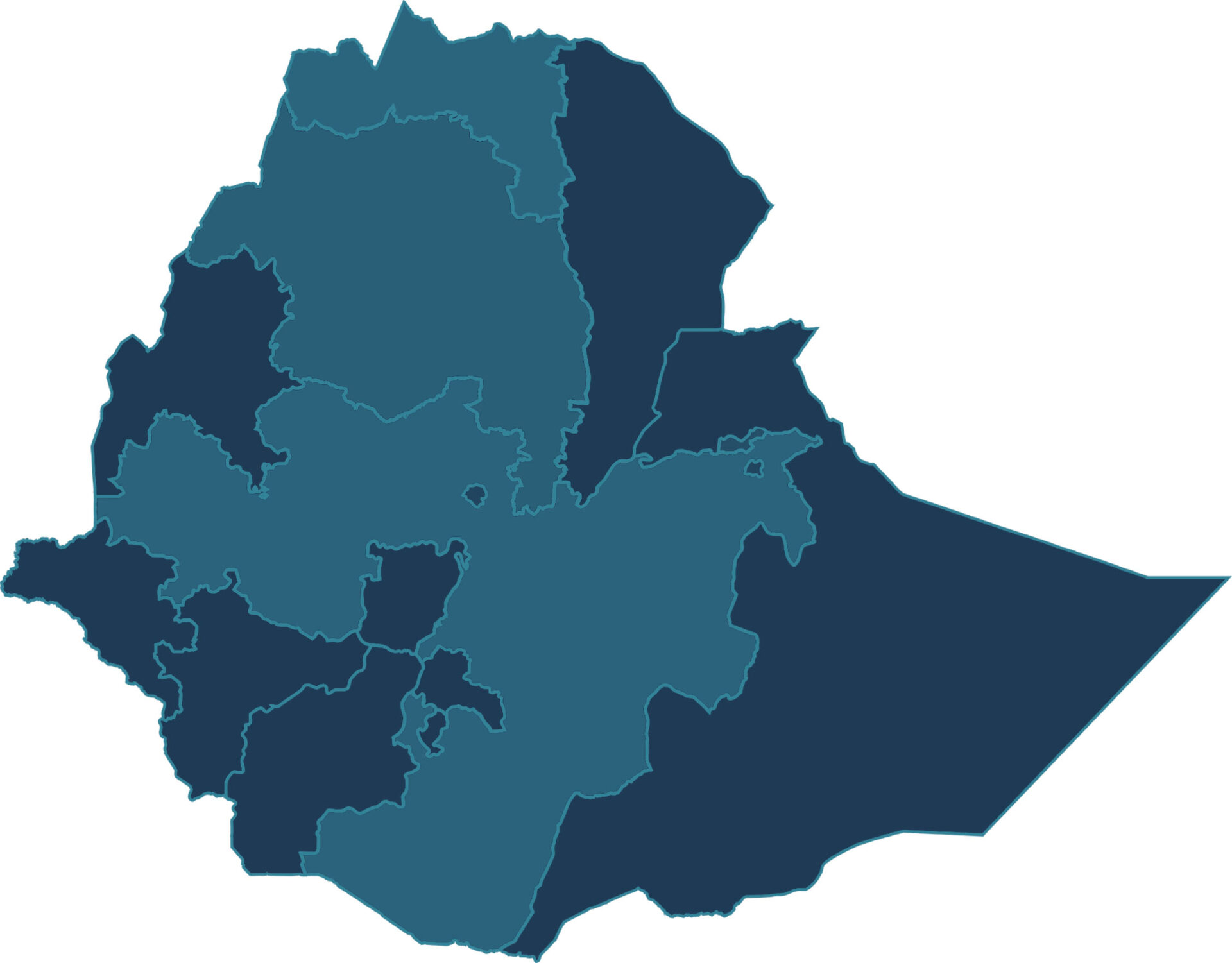
Traditional mechanisms remain widely practiced and trusted, especially in rural areas. The Oromia Regional State has recognized Cultural Courts since 2021, which integrate customary practices into a semi-formal framework. 1,133,374 cases were filed and resolved in the traditional courts. Following the footstep of Oromia region Sidama, Amhara, Benishangul Gumuz and Southwest Ethiopia regions promulgated laws that give recognition for customary dispute resolution mechanisms.
The Ministry of Justice, together with international partners like HiiL (The Hague Institute for Innovation of Law), is supporting people-centered justice programs to connect community mechanisms with formal institutions. Community center justice inaugurated and operationalized in Sidama, Afar and Addis Ababa City Administration.
See Status of Regions
Download Related Resources
Community Justice
The Ministry of Justice, together with international partners like HiiL (The Hague Institute for Innovation of Law), is supporting people-centered justice programs to connect community mechanisms with formal institutions. Community center justice inaugurated and operationalized in Sidama, Afar and Addis Ababa City Administration. The Ministry of Justice, together with international partners like HiiL (The Hague Institute for Innovation of Law), is supporting people-centered justice programs to connect community mechanisms with formal institutions. Community center justice inaugurated and operationalized in Sidama, Afar and Addis Ababa City Administration.